Biometric Sleep Trackers Compared: Accuracy, HRV Monitoring & Recovery Tech Guide
Imagine slipping into bed after a grueling day, only to wake up feeling more drained than refreshed. In our quest for optimized rest, biometric sleep trackers promise data-driven revelations. But amid the glowing apps and sleek wearables, how do you separate sleep tracking accuracy grounded in science from slick marketing? This guide cuts through the noise, comparing top approaches—from rings to mattress pads—and spotlights what truly moves the needle for recovery.
We'll decode essential metrics like heart rate variability (HRV), body temperature shifts, and sleep stages, while weighing consumer gadgets against clinical gold standards. Plus, a candid look at adaptogenic recovery tech: backed by research or just trendy buzz?
The Biometrics That Matter: Beyond the Hype
Not all sleep data is created equal. Forget vague "sleep scores"—focus on verifiable signals your body broadcasts nightly.
HRV Monitoring: Your Nervous System's Whisper
HRV monitoring measures beat-to-beat heart fluctuations, a window into autonomic balance. High HRV signals parasympathetic dominance—rest and digest mode—ideal for recovery. Trackers estimate it via photoplethysmography (PPG), shining light through skin to detect blood flow. While useful for trends, it's no electrocardiogram (ECG). Nightly dips might flag overtraining; steady climbs, adaptation.
Sleep Stages and Temperature Trends
Deep sleep rebuilds tissue; REM sparks memory consolidation. Consumer devices infer stages from motion, heart rate, and—crucially—peripheral temperature drops signaling core warmup. Ballistocardiography (vibration from heartbeats) adds nuance in non-wearables. Marketing fluff? Percentages without context. What counts: consistency over weeks, not one-off nights.
- Proven signals: HRV, respiratory rate, temperature variance.
- Fluff alert: "Perfect sleep" badges or unsubstantiated efficiency scores.
Wellness Tech Comparison: Trackers Head-to-Head
In this wellness tech comparison, we pit four categories. Each excels in accessibility but falters in precision.
Wearable Rings: Discreet Powerhouses
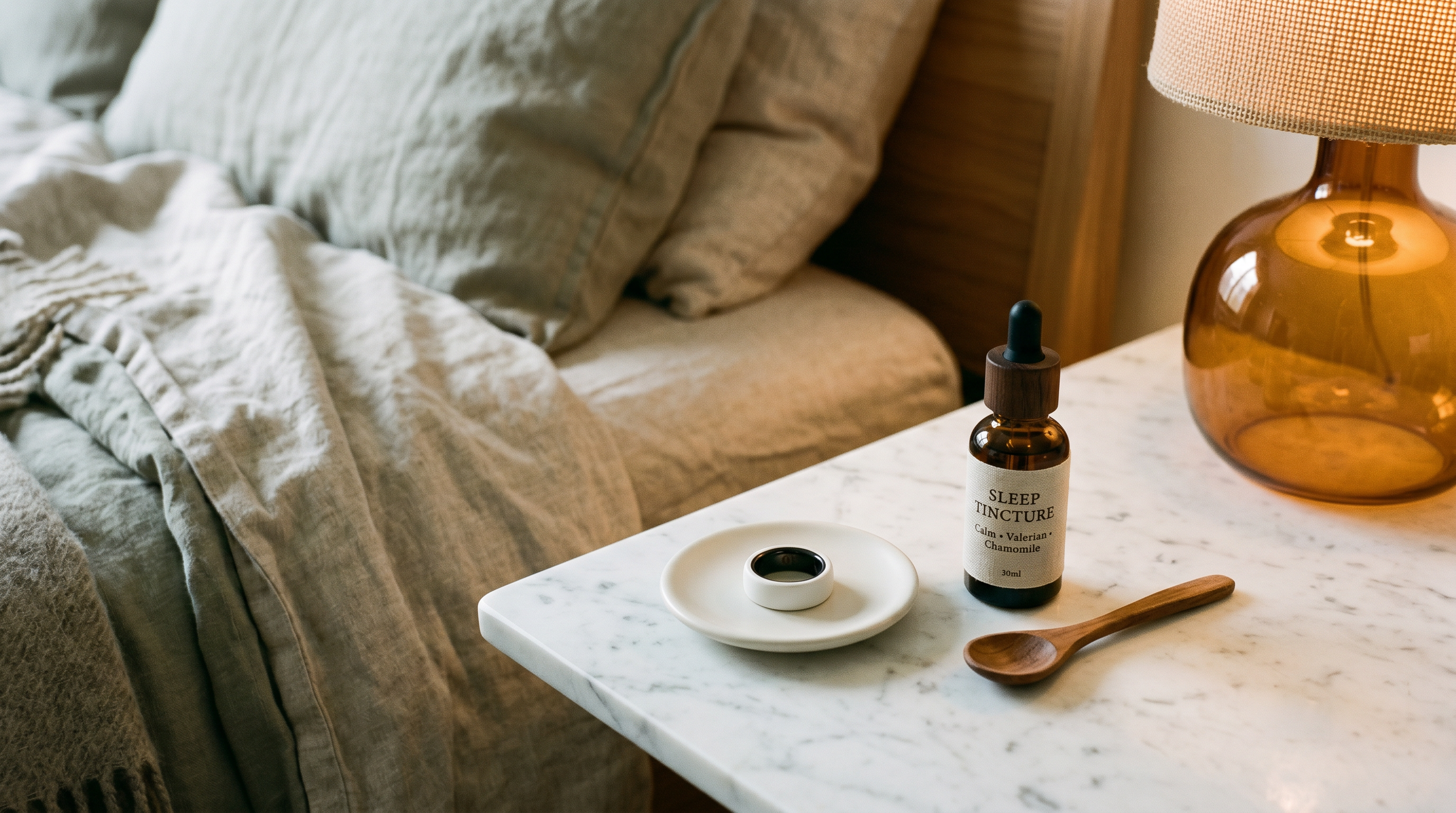
Slim rings like those from leading brands hug fingers for 24/7 PPG tracking. Strengths: Unobtrusive, temperature sensors for ovulation and sleep onset. Sleep tracking accuracy shines in stage detection (80-90% alignment with polysomnography in validations). Drawback: Finger swelling skews data.
Wristbands and Watches: Feature-Rich but Fidgety
Arm-based trackers blend accelerometers with optical HR. Robust for HRV during stillness, but motion artifacts inflate wake times. Clinical studies show 70-85% stage accuracy—solid for trends, less for diagnosis.
Under-Mattress Sensors: Hands-Free Haven
Non-invasive pads use pneumography (breathing via air bladders) and ballistocardiography. Top marks for respiratory rate (95%+ accuracy), but HRV estimates lag wearables. Ideal for couples; no charging hassles.
Smartphone Apps: Budget Entry, Limited Depth
Microphone and accelerometer detect tosses and snores. Fun for patterns, but biometric sleep trackers they ain't—HRV absent, stages guesswork (50-70% accuracy). Best as supplements.
Clinical-Grade vs. Consumer Estimates: The Reality Check
Polysomnography (PSG)—wires, lab, gold standard—hits 95%+ accuracy. Wearables? Validated models correlate 75-90% for stages, 85%+ for total sleep time. HRV tracks lifestyle shifts reliably, per peer-reviewed benchmarks. Consumer-grade empowers habits; clinical diagnoses disorders. Choose based on goals: insight or intervention?
Trends trump absolutes. A 10% deep sleep variance? Normal. Persistent lows? Consult a pro.
Adaptogenic Recovery Tech: Science or Supplement Fad?
Post-sleep scores from trackers (blending HRV, restfulness) guide recovery. Pair with adaptogenic recovery tech: Devices like smart mattresses tweak temps for deeper sleep (studies link 1-2°C drops to +30min deep sleep). Supplements? Ashwagandha shows modest HRV boosts in meta-analyses; rhodiola aids stress. Trending stacks like mushrooms lack robust trials—prioritize whole foods, proven protocols first.
Buyer's Checklist: Informed Choices
- Validation badges (e.g., peer-reviewed papers on device site).
- Multi-signal fusion: HRV + temp + motion.
- Battery life & comfort for adherence.
- App ecosystem: Trends, not snapshots.
- Budget: $100 apps < $300 sensors < $500+ rings.
- Test returns: 30-day trials rule.
Actionable takeaway: Start with your pain point—HRV for athletes, stages for insomniacs. Track 2 weeks, iterate.
Rest Reclaimed
Biometric sleep trackers aren't magic pills, but calibrated tools in your wellness arsenal. By prioritizing HRV monitoring and validated sleep tracking accuracy, you'll sidestep hype for habits that endure. Sleep smarter—your future self will thank you.
