
The Practical Guide to Conversion Funnels
This guide to conversion funnels helps lean teams map intent, remove friction, measure drop-off, and improve conversion rates without rebuilding everything.

Payment Processing Tools That Fit Lean Teams
Compare payment processing tools for fast-moving online businesses. See what matters in setup, costs, checkout flow, and room to grow without rework now.

How to Build Waitlist Momentum Before Launch
Learn how to build waitlist momentum with a clear promise, fast feedback loops, and launch mechanics that turn early interest into real demand, fast.

AI Website Builder Comparison for Fast Launches
An AI website builder comparison for founders who need to launch quickly, test demand, and choose a platform without paying for features they will not use.

No Code Trends for Startups That Matter in 2026
No code trends for startups are shifting from quick prototypes to AI-led operations, governed data, and focused customer experiences that ship faster.

When Should Founders Charge Users? A Simple Test
When should founders charge users? Use real behavior, clear value, and small tests to set a price without stalling early product learning for startups.

How to Create Mobile First Web Experiences
Learn to create mobile first web experiences that load quickly, clarify the value, and move visitors from first tap to an easy next step.

Startup Conversion Copywriting That Moves Fast
Startup conversion copywriting turns early attention into usable signal. Learn how to write lean pages that drive action, testing, and smarter launches.

Guide to Digital Product Positioning That Converts
A guide to digital product positioning for founders who need a clear promise, faster validation, and landing pages that turn interest into action quickly.
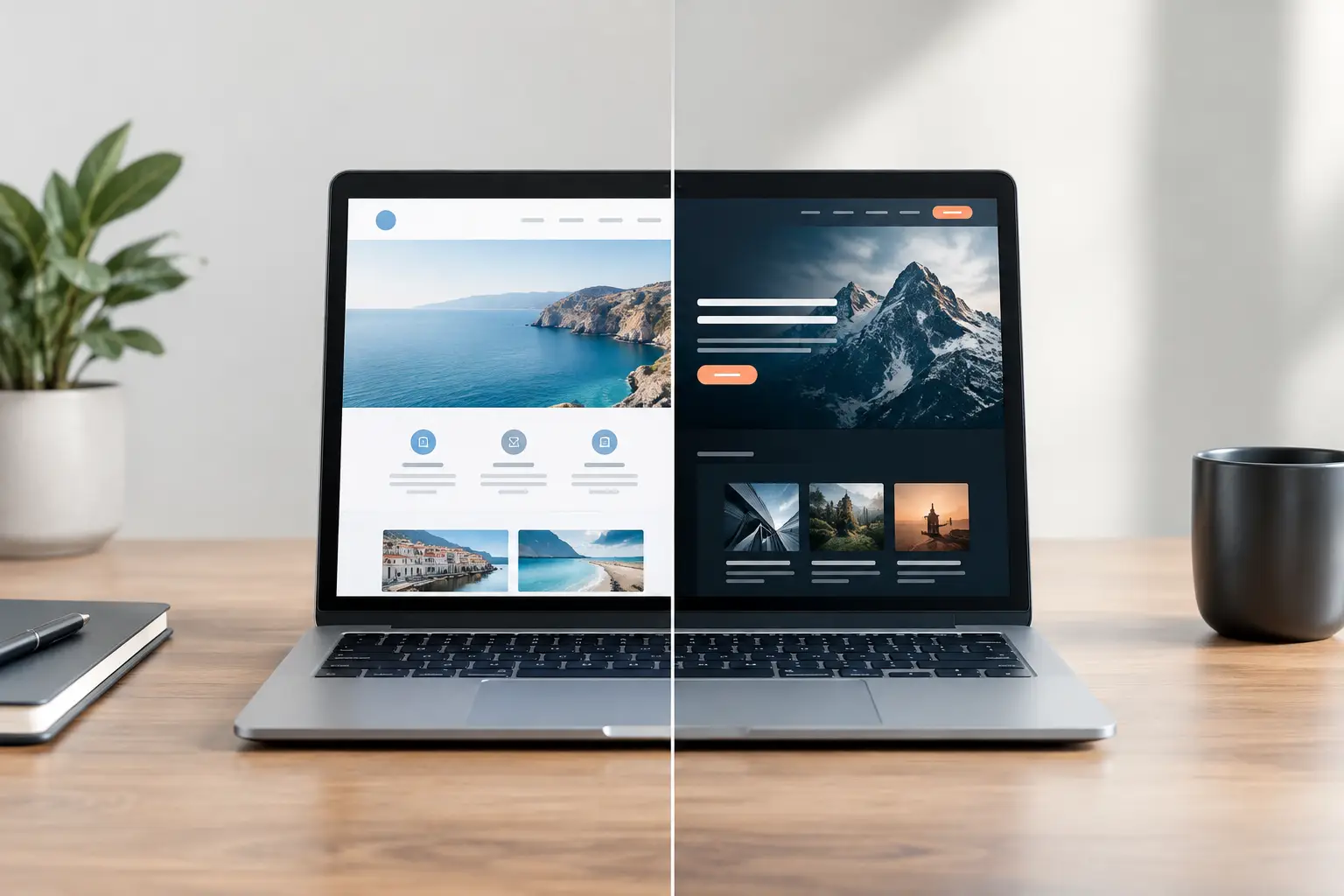
Template Websites vs Custom Builds Compared
Template websites vs custom builds: compare speed, cost, control, and risk to choose the right launch path for your product, audience, and first test.

A Lean Builder's Guide to Product Led Growth
Use this guide to product led growth to build faster activation, tighter feedback loops, and a self-serve path from first click to paid value quickly.

How to Reduce Signup Friction and Gain Users
Learn how to reduce signup friction with faster forms, clearer value, and better timing so more visitors start using your product without hesitation today.

Best Website Features for Early Traction
The best website features for early traction turn quick visits into clear signals, signups, and conversations without slowing your launch down, fast.

Early Stage Website Strategy That Gets Signal
An early stage website strategy for testing demand, clarifying value, and learning what visitors will actually do before you spend weeks building features.

How to Test Pricing Interest Before You Build
Learn how to test pricing interest before you build using landing pages, preorder tests, and interviews to reveal early buyer intent before any launch.

10 User Activation Examples That Cut Drop-Off
These user activation examples show how lean product teams turn new signups into first wins, using clear prompts, useful defaults, and fast feedback, too.

Freemium vs Trial for Faster Product Growth
Freemium vs trial: choose the right access model for your digital product, control acquisition costs, and turn first-use momentum into paid growth fast.

How to Reduce Mobile Page Abandonment Fast
Reduce mobile page abandonment with faster loads, clearer mobile paths, and smarter testing that turns short visits into meaningful action for phone users.

Product Validation vs Market Research, Explained
Product validation vs market research: learn what each method proves, when to use both, and how lean teams can test demand before building too much, early.

12 Best Customer Feedback Tools for Fast Teams
Compare the best customer feedback tools for startups, from quick surveys to product research platforms, and choose a stack your team will use every week.

Guide to Startup Website Messaging That Converts
This guide to startup website messaging helps founders explain the product, build trust, and get more early signups with short, useful copy that earns trust.

When Should Founders Build an MVP? 6 Signals
When should founders build an MVP? Six signals help you validate demand, reduce build risk, and launch the smallest test that can produce a real decision.

Best Tools for Startup Validation in 2026
Find the best tools for startup validation to test demand, recruit early users, and make launch decisions before building more than necessary, quickly.

Digital Experiments That Find Demand Fast
Digital experiments help lean teams test demand, pricing, and product direction before they spend months building features nobody chooses to use at scale.

How to Improve Product Activation Without More Features
Improve product activation with a focused first-use path, faster time to value, and practical metrics that show where new users hesitate before they leave.

Best Tools for Product Prelaunch, Ranked
Compare the best tools for product prelaunch to test demand, collect signups, coordinate launch work, and act on early-user feedback now.

MVP Website vs Full Website - Which Comes First?
Compare an MVP website vs full website to choose the fastest path to validation, learn what to ship first, and know when a fuller build earns its cost.

Is No Code Scalable? The Limits That Matter
Is no code scalable for a real product? Learn where it holds up, where it breaks, and how to build for growth without an early rewrite at the right time.

AI Prototyping for Faster Product Validation
AI prototyping helps founders turn assumptions into testable products faster. Learn where it works, where it fails, and how to validate before building well.

Customer Journey Mapping for Faster Product Tests
Customer journey mapping shows where prospects hesitate, act, and leave. Use it to remove friction, test faster, and build landing pages that convert.

How to Automate Visitor Follow Up Without Noise
Learn to automate visitor follow up with clear triggers, useful messages, and simple routing that turns more high-intent visits into next steps faster.

Landing Page vs Full Site for a Faster Launch
Landing page vs full site: choose the right format for validation, conversions, trust, and growth without wasting time or building more than you need.

How to Write Clear Product Value Propositions
Learn how to write clear product value propositions that show who your product helps, what changes, and why a visitor should act now, before they leave.

How to Build a Waitlist Landing Page That Converts
Learn how to build a waitlist landing page that earns early signups, validates demand, and gives your launch a clear next step without wasting weeks now.

Product Discovery That Produces Better Launches
Product discovery helps lean teams test demand, identify real user problems, and build only what earns attention before a full launch using evidence first

How to Reduce Conversion Friction on Your Site
Conversion friction costs clicks, signups, and sales. Learn how to find blockers, run focused tests, and give visitors a faster path to action today.

Can AI Build a Business Website That Converts?
Can AI build a business website? See what it can launch fast, where human judgment still matters, and how to turn an AI draft into a site that converts.

How to Optimize Landing Page Conversions Fast
Learn how to optimize landing page conversions with clearer offers, faster pages, stronger proof, and testing that finds real lift quickly for lean teams.

Digital Product Onboarding Flow That Converts
Build a digital product onboarding flow that gets users to value fast, cuts early drop-off, and gives your team clear signals for better product decisions.

How to Create a Prelaunch Funnel That Converts
Learn how to create a prelaunch funnel that validates demand, captures qualified leads, and turns early attention into a focused launch day with clarity.

Why Use No Code for Startups? Move Faster
Why use no code for startups? Launch faster, test demand cheaply, and put scarce early-stage time into customers, learning, and traction with less risk.

How to Prototype a Web Product Before You Build
Learn how to prototype a web product with fast tests, clear flows, and lightweight tools that reveal demand before you commit weeks to building features.

How to Launch a Micro SaaS Without Overbuilding
Learn how to launch a micro SaaS with a narrow problem, fast validation, simple pricing, and a focused build plan that earns useful customer feedback.

No Code vs Custom Development by Startup Stage
No code vs custom development helps founders compare speed, cost, control, and risk before choosing a path for their next product build with confidence.

How to Collect Early User Feedback Before You Build
Learn how to collect early user feedback with fast tests, focused questions, and clear decisions before your product roadmap hardens for good.

7 Best Ways to Capture Leads Online Fast
The best ways to capture leads online: build clear offers, reduce form friction, test intent, and turn fast visitor attention into qualified demand now.

A Guide to Lean Product Validation That Saves Time
A guide to lean product validation for founders who want evidence before building. Test demand, learn quickly, and invest only when the signal is clear.

Lean Startup Website Strategy That Validates Demand
Build a lean startup website strategy that tests demand, captures real signals, and improves conversion without wasting weeks on a full product build.

Fastest Way to Build a Website That Launches
The fastest way to build a website is to ship one focused page, connect the essentials, and learn from real visitors before adding complexity or creating rework.

How to Test Demand With a Landing Page Fast
Learn how to test demand with a landing page before you build. Set a clear signal, send qualified traffic, and make smarter launch decisions fast today.

No Code Startup Website: What Actually Works
Build a no code startup website that ships fast, tests demand, and converts early users without wasting time on custom development.

AI Generated Landing Pages That Convert
AI generated landing pages can cut launch time, test offers faster, and improve conversion when used with clear inputs and smart review.

Website for MVP Launch: What Actually Matters
A website for MVP launch should validate demand fast. Learn what to include, what to skip, and how to ship a page that converts early interest.

Digital Product Launch Checklist That Ships
A digital product launch checklist for founders and makers who want to ship faster, reduce launch risk, and fix gaps before going live.

How to Validate Product Idea Online Fast
Learn how to validate product idea online with fast, low-cost tests that measure real demand before you spend time building the wrong thing.

7 Rapid Website Deployment Tools That Ship Fast
Compare rapid website deployment tools for fast launches, lean validation, and quick iteration without slowing down on setup or updates.

How to Launch a Startup Landing Page Fast
Learn how to launch a startup landing page fast with clear messaging, smart structure, and quick validation before you waste time building too much.

Best No Code Website Builder for Fast Launches
Looking for the best no code website builder? Compare speed, flexibility, AI tools, and trade-offs to choose the right platform fast.

AI Landing Page Builder: Worth It?
An ai landing page builder can cut launch time fast, but quality depends on prompts, strategy, and editing. Here's where it fits best.

Buildy AI Website Builder: Who It Fits
A clear look at buildy ai website builder - where it works, where it falls short, and why fast-moving founders use it to launch and test ideas.

What Is Buildy AI and How Does It Work?
What is Buildy AI? Learn what it does, who it fits, where it helps most, and the trade-offs to know before building a site or MVP.